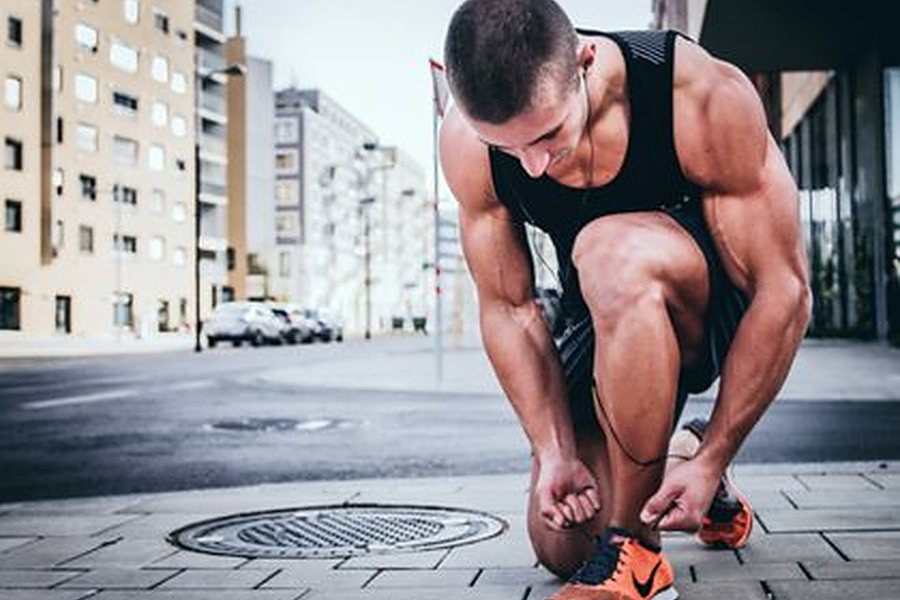
You are halfway through a run around the park or a pickup game with friends, and suddenly your calf locks into a hard, painful knot. Exercise cramps are common, usually harmless and often preventable. Knowing why they happen makes them much easier to manage.
Why cramps happen
Doctors are still learning exactly what triggers a cramp, but most seem to come from tired muscles whose nerve signals start to misfire. Several things make that more likely.
- Muscles that are tired from working harder or longer than usual
- Skipping a warm-up or stretching too little
- Exercising in heat and humidity, with heavy sweating
- Not drinking enough fluids before and during activity
- Some medicines, such as certain water pills
How to ease a cramp right away
- Stop the activity and gently stretch the muscle, for example by pulling your toes toward you for a calf cramp
- Massage the tight spot slowly with your hand
- Walk around gently once the worst of the pain fades
- Sip water, or a sports drink after a long, sweaty session
Most cramps fade within a few minutes. A cramp that keeps coming back, or comes with swelling, redness or weakness, deserves a check-up.
Simple ways to prevent them
- Build up time and effort gradually, rather than all at once
- Warm up with easy movement before you speed up
- Drink regularly through the day, not only during exercise
- Plan outdoor workouts for cooler times on hot summer days
- Stretch the muscles you use most after each session
When to see a doctor
Book a visit if cramps wake you at night, happen often without exercise or start after a new medicine. Frequent cramps can sometimes point to a problem with circulation, nerves or minerals in the blood. We can check what is going on and help you get back to moving comfortably.
Want a plan made for you?
Our Astoria team is happy to talk it through.
This article is general information and not a substitute for medical advice. In an emergency, call your local emergency number.